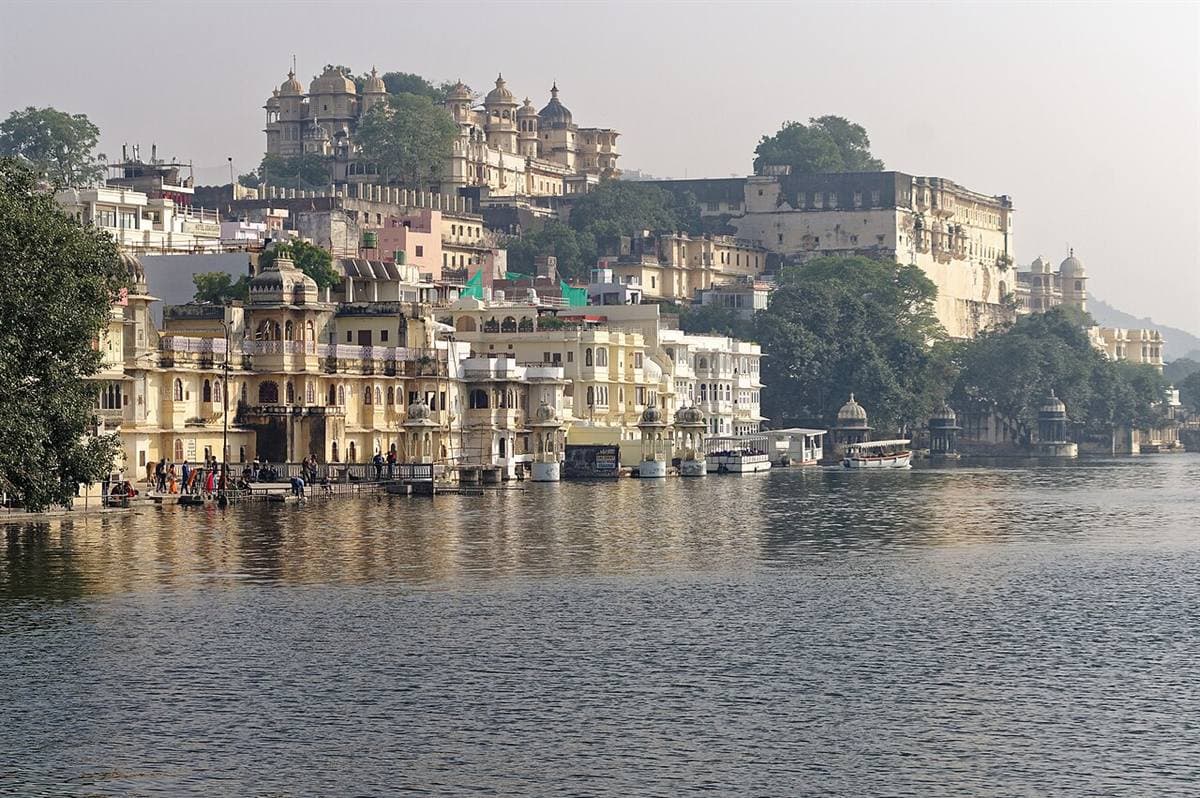
Golden Triangle Tour in Winter: Complete Travel Guide
Plan your Golden Triangle tour in winter across Delhi, Agra, and Jaipur. Get the ideal 5-day itinerary, budget tips, transport details, and highlights.
24 Oct 2026 · Nirvana BnB travel desk
Why Winter Is the Best Season for the Golden Triangle
Connecting the capital city of Delhi, the Mughal seat of Agra, and the royal desert capital of Jaipur, the Golden Triangle is India's most celebrated heritage circuit. While summer temperatures in northern India routinely cross 42°C, making monument sightseeing exhausting, winter transforms the entire corridor into a traveller's paradise. Between October and March, daytime temperatures range between a pleasant 12°C and 25°C, letting you explore sprawling sandstone forts, open courtyards, and manicured Mughal gardens in total comfort.
Winter also brings a magical festive atmosphere across North India. Delhi's vibrant street food stalls churn out winter specialities like Daulat ki Chaat and hot jalebis, Agra's white marble monuments catch the gentle winter morning light, and Jaipur's royal palaces glow warmly against clear blue skies. Whether you are travelling with family, planning a romantic cultural escape, or touring India for the first time, the cool season ensures you experience these UNESCO World Heritage monuments at their very best.
An Ideal 5-Day Winter Itinerary: Delhi, Agra, and Jaipur
Start your journey in Delhi across Days 1 and 2. Dedicate your first morning to the historic lanes of Old Delhi, taking a cycle-rickshaw through Chandni Chowk, admiring the grand Jama Masjid, and viewing the imposing Red Fort. In the afternoon, shift towards New Delhi to explore Humayun's Tomb, India Gate, and the towering Qutub Minar. Winter afternoons in Delhi are made for leisurely walks across the lush lawns of Lodhi Gardens and shopping at the open-air Dilli Haat handicraft market.
On Day 3, travel early morning to Agra via the Yamuna Expressway. Arrive in time to see the Taj Mahal as the morning mist lifts, revealing the iconic white marble dome in soft daylight. Spend the afternoon exploring the sprawling Agra Fort, where Mughal emperors ruled the empire, and finish your day at Mehtab Bagh across the Yamuna River for an unforgettable sunset view of the Taj Mahal reflecting in the water.
Head to Jaipur on Days 4 and 5, stopping en route at the abandoned Mughal city of Fatehpur Sikri and the historic stepwell of Chand Baori at Abhaneri. Once in the Pink City, marvel at the honeycombed façade of Hawa Mahal, wander through the City Palace, and take an uphill ride to the hilltop Amber Fort. In the evening, watch the city lights turn on from the ramparts of Nahargarh Fort before picking up handcrafted quilts and blue pottery in Bapu Bazaar.
How to Reach and Travel Between Cities
Connectivity across the Golden Triangle circuit is among the smoothest and fastest in India. Both Delhi's Indira Gandhi International Airport (DEL) and Jaipur International Airport (JAI) offer seamless flights to major Indian cities like Mumbai, Bengaluru, Nagpur, and Hyderabad. You can easily start your loop in Delhi and fly back home from Jaipur, saving backtracking time.
For travel between the cities, you have excellent rail and road choices. The high-speed Gatimaan Express connects Delhi’s Hazrat Nizamuddin station to Agra Cantonment in just 100 minutes, while the Vande Bharat and Shatabdi Express trains link Delhi and Jaipur in under 4 hours. If you prefer door-to-door comfort, hiring a private air-conditioned cab for the entire 5-day circuit remains the top choice for families. The Yamuna Expressway links Delhi to Agra in about 3.5 hours, and the Delhi-Mumbai Expressway has made Delhi to Jaipur road trips smooth and scenic.
Trip Costs and Budgeting for Indian Travellers
A 5-day Golden Triangle winter trip fits a wide range of travel budgets. Budget backpackers using intercity trains and staying in hostels can complete the circuit for ₹12,000 to ₹16,000 per person. Mid-range travellers opting for 3-star boutique heritage stays, comfortable private car transfers, and guided fort excursions can expect to spend around ₹20,000 to ₹32,000 per person, excluding incoming flights.
Daily food costs typically average ₹800 to ₹1,800 per person, giving you plenty of room to sample iconic street foods as well as royal thalis in heritage restaurants. Entry tickets for Indian nationals are very affordable, ranging from ₹50 to ₹80 per monument, though foreign visitors pay higher rates. For those who want seamless arrangements without the stress of booking multiple hotels, trusted platforms like Nirvana BnB offer structured itineraries, including a ready 4-night Golden Triangle package starting from ₹22,999 per person plus GST.
Winter Foods and Experiences You Should Not Miss
Winter transforms the culinary map of northern India. In Old Delhi, start your morning with piping hot bedmi puri and spicy aloo sabzi, follow it with nihari near Jama Masjid, and treat yourself to the feather-light Daulat ki Chaat, a sweet milk-froth dessert available strictly during cold winter mornings. In Agra, visit Panchhi Petha to sample freshly made flavours like Angoori and Kesar petha along with crunchy dalmoth.
Jaipur takes cold-weather feasting to royal heights. Warm up with a traditional Rajasthani thali featuring baati drenched in pure ghee, spicy dal, and sweet churma, accompanied by gatte ki sabzi and ker sangri. Finish your evenings sipping hot kesar milk or kulhad chai at MI Road. Beyond food, winter is the best time to watch authentic puppet and Kalbelia folk performances under open night skies without the scorching desert heat.
Practical Tips for a Smooth Winter Trip
Pack your wardrobe in versatile layers. While winter afternoons are warm and sunny, with temperatures around 20°C to 24°C, late evenings and early mornings in December and January regularly drop down to 6°C to 9°C. Carry a medium fleece jacket, warm mufflers or shawls, thermal inners for chilly night walks, and comfortable walking shoes with good grip to navigate steep fort ramps and cobblestone lanes.
Be prepared for winter fog, particularly between late December and mid-January across the plains of Uttar Pradesh and Haryana. Dense morning fog can occasionally slow down highway driving and delay early trains. Plan road travel during daytime hours and avoid booking pre-dawn monument visits if heavy fog is forecast. Travellers can also check the free AI trip planner on Nirvana BnB to build flexible daily schedules that account for traffic and seasonal visibility.
Questions travellers ask
- Which month is best to visit the Golden Triangle in winter?
- November to February is the best window. The weather is cool and sunny, perfect for outdoor monument visits, with daytime temperatures hovering between 15°C and 24°C.
- How many days are needed to cover Delhi, Agra, and Jaipur?
- A 4-night, 5-day itinerary is ideal. It gives you 2 days to explore Delhi, 1 full day for Agra and the Taj Mahal, and 2 days to experience the forts and bazaars of Jaipur.
- Is the Taj Mahal open every day during the winter months?
- The Taj Mahal is open every day except Fridays, when it remains closed for prayers. Remember to plan your Agra stop on any day other than Friday.
- What should I pack for a Golden Triangle trip in December or January?
- Pack light woollens or fleece jackets, comfortable sneakers for walking, sunglasses, moisturiser for dry winter air, and thermal inners for chilly mornings and evenings.